In the field of food and beverages, compliance with regulations is not just a legal necessity but an essential element of consumers’ confidence and security. A key aspect of this is that the European Union (EU), is known for its strict rules that place a lot of emphasis on ensuring that drinks that are not alcoholic meet the highest standards of safety and quality. The first piece in the series, will attempt to decipher the complexity of EU regulations for non-alcoholic beverages.
Learning the EU Framework
Summary of EU Regulatory Organizations
The core of EU regulations governing non-alcoholic drinks are various regulatory bodies each with a significant role in ensuring that any products sold on the marketplace are suitable for consumption by consumers.
1. It is the European Commission: Often considered as the executive agency of the EU The European Commission takes charge of the creation of legislation and taking decisions to implement them. In the case of rules governing food and drink, the Commission is the key figure in setting the framework within the rules for non-alcoholic beverages.
2. EFSA (European Food Safety Authority) ):> > This independent agency provides expert advice and scientific information on feeding and food safety to members of the EU institutions. The expertise of EFSA is vital in assessing the safety and quality of ingredients and other additives in non-alcoholic beverages.
3. National Authorities: In addition to EU-wide regulations, individual state members may have their own specific regulations. National authorities make sure that compliance is met to EU regulations at the local or state level.
Illegal Framework
Understanding EU regulations on non-alcoholic beverages requires a grasp of the legal framework which governs them. The EU has two major types of law including directives and regulation.
EU Regulations: They are directly applicable in all EU member countries and do not require national legislation. Once an EU regulations is passed, it becomes law in all member states simultaneously.
EU Directives: Directives, on contrary, lay out the objectives that member states must achieve. It’s up to each state member to adopt the law of its country in order to conform with the directive.
The interplay between EU regulations as well as the state-specific laws of member states may often be complex, and requires firms to navigate both general EU rules as well as the specific state-specific implementations.
Knowing the regulatory framework is the first step toward making sure that you are in conformity with EU rules for non-alcoholic drinks.
In the next chapter, we’ll look at certain aspects of EU regulations, with a focus on labels and requirements for ingredients, that are vital to businesses operating in the beverage industry.
Follow us as we explore the intricacies of labeling and ingredient regulation in the EU for non-alcoholic drinks.

It is a challenge to follow EU Regulations: Labeling and Ingredient Requirements for non-alcoholic beverages
In the previous article we set out on a journey to understand the intricate web of EU regulations for non-alcoholic beverages. Now, let’s dive deeper into the specifics, with a focus on labeling requirements and ingredient requirementsaEUR”a important area of compliance of businesses working in the sector of beverages.
Guideline for Labeling
Concision and Transparency
EU regulations are strict regarding the labeling of non-alcoholic beverages. The goal is to ensure that consumers get complete and accurate information about the products they purchase. Here are a few of the most important aspects of the guidelines for labeling:
1. Name of the Beverage: The name should clearly reflect the nature of the product. Incorrect names that may confuse consumers are strictly prohibited.
2. Ingredients List: Non-alcoholic drinks have to include a list ingredients, with each ingredient listed in order of weight, descending.
3. Allergen Information: If a beverage is a mixture of any of the 14 allergens that are listed within EU directives (e.g., nuts, milk or gluten) it must be clearly listed in the list of ingredients.
4. Net Quantity: The amount of the beverage must be stated in milliliters, centiliters, milliliters, kilograms grams, milligrams or liters, depending on the product.
5. Best Before/Use-By Dates: Non-alcoholic drinks with a shelf life of less than 18 months should contain an “use before” date. If they have a longer shelf life should show a “best prior to” date.
Nutrition Declaration
In recent years, EU regulations have made it compulsory for non-alcoholic drinks to supply nutrition information per 100ml of the product. This includes details on energy value and the quantity of fat, saturates carbohydrates, sugars protein, salt and.
Ingredient Requirements
Utilization of Additives
EU regulations regulate the addition of ingredients to non-alcoholic beverages. These additives have to be approved, safe for consumption, and have a purpose that is technological (e.g., preservatives, colorants, sweeteners).
Natural Mineral Waters
For beverages labeled as “natural mineral water,” EU regulations are particularly strenuous. These waters must come from trusted sources and meet specific standards regarding mineral content and purity.
Fruit Juices and Nectars
If a non-alcoholic drink contains nectars or fruit juices it should meet requirements for fruit content. For instance, fruit nectars must have at least 25% fruit content.
Sweeteners
The consumption of sweeteners can be controlled to ensure safety and safeguard the interests of consumers. Labels should clearly show that sweeteners have been used.
What’s Next?
As we’ve seen, EU regulations on labeling and requirements for ingredients in non-alcoholic beverages are extensive that are designed to protect the consumer’s interests. Being aware of and observing these rules is vital for businesses in this industry.
In the following section we’ll look into quality and safety standards, exploring how EU laws ensure alcohol-free drinks meet the highest standards of quality. Join us on this journey for a deeper understanding of EU regulations.
Stay tuned while we explore the realm of safety and quality standards created by EU standards for non-alcoholic drinks.
Maximize Profits with Premium Bulk Non-Alcoholic Spirits from Swedish Distillers!
Health and safety standards: ensuring top-quality non-alcoholic beverages in the EU
In our quest through the maze of EU regulations concerning non-alcoholic beverages We’ve discovered vital information concerning labeling requirements and ingredient specifications. Now, let’s continue our exploration by delving into the world of quality and safety standardsaEUR”critical aspects that uphold the integrity of these beverages in the European market.
Quality Standards
Water Quality
The water is the primary ingredient in many of the non-alcoholic beverages Quality is crucial. EU regulations stipulate that water used to make beverages must meet stringent quality standards. This ensures that the water’s source, treatment and transportation don’t compromise the taste or safety of the beverage.
Natural Mineral Waters
For beverages labeled as “natural mineral water,” EU regulations are particularly strict. The waters must come from reliable sources and must meet rigorous requirements in terms of mineral amount and purity. Natural mineral waters are recognized for their pure quality and distinctive mineral composition, which makes their use a major benefit to the industry of non-alcoholic beverages.
Fruit Juice Purity
In beverages containing fruit juices in the EU is required to adhere to specific fruit content standards. For instance, nectars made from fruit must have a minimum amount of fruit content to ensure the authenticity and quality of the drink.
Hygiene and Production Practices
Achieving a clean and safe manufacturing process is essential. EU rules require that all establishments involved in the production of beverages adhere to strict hygiene and safety standards to avoid contamination and ensure the safety of products.
Safety Standards
Microbiological Criteria
Microbiological safety is an essential component of non-alcoholic beverage production. EU regulations establish microbiological criteria to ensure that beverages are free of harmful microorganisms that can pose dangers to the health of consumers.
Contaminant Limits
To protect the health of consumers, EU regulations define maximum standards for the different contaminants in non-alcoholic beverages. These contaminants comprise heavy metals, mycotoxins, and residues of pesticides. The strictest monitoring and testing protocols are in places to ensure compliance with these standards.
Additive Safety
In non-alcoholic beverages, additives need to be evaluated thoroughly for their safety. EU regulations require extensive scientific evaluations and risk assessments prior to approval of any additives for use. This makes sure that consumers are not at risk of being exposed to risks that are not necessary.
the Role of Quality Control
Quality control plays an essential function in ensuring that alcohol-free beverages are of the highest standard in terms of quality and safety. Manufacturers are responsible for implementing rigorous quality control procedures, from sourcing raw materials through the final production stages.
What Lies Ahead?
Standards for quality and safety constitute the basis upon which the image of non-alcoholic beverages is built on the EU market. In the following section We’ll investigate the intricate world of packaging and marketing regulations, as well as shedding light on how these factors contribute to the overall environmental compliance framework.
Stay tuned as we move into the realm of packaging and marketing regulations, vital elements of EU compliance for alcohol-free beverages.
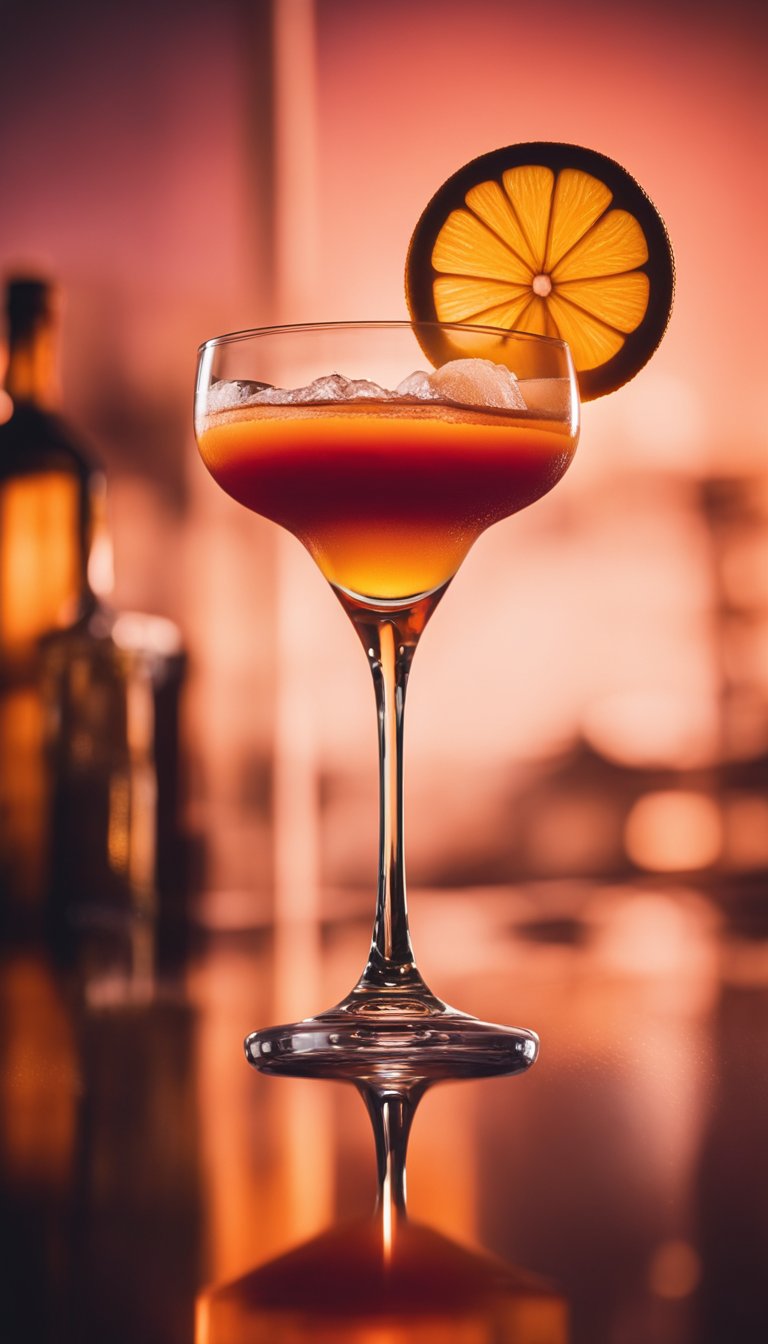
Marketing and Packaging How to navigate the EU Regulations for Non-Alcoholic Beverages
As we continue our journey through the intricacies of EU regulations governing non-alcoholic beverages, we find ourselves at a crossroadsaEUR”packaging and marketing. These are essential aspects in order to comply, but also for capturing the consumer’s attention in a very competitive market. Let’s get into the complexities of marketing and packaging regulations within the European Union.
Package Regulations
Material Safety
The EU is determined to ensure that the materials used in beverage packaging are not harmful to the drink’s contents. The manufacturers must abide by strict guidelines for plastics, glass, and even metals. This ensures that the packaging will not affect the quality or safety of the beverage.
The concept of recycling as well as sustainability
The environmental sustainability of our society is an increasing concern, and the EU encourages eco-friendly packaging. Regulations are designed to reduce garbage and encourage recycling through providing targets for the utilization of recyclable materials and reduction of waste from packaging.
Display and labeling
Labeling is a critical aspect of packaging. EU regulations require transparent and accurate information on labels, including the product name, ingredients along with nutritional information and allergen declarations. Labels help consumers make an informed decision and provide transparency.
Marketing Regulations
Truthful Advertising
Non-alcoholic beverages sold in the EU should adhere to a set of principles of honesty and accuracy. The claims made in advertising, such as health claims or benefits from ingredients, must be proven by scientific evidence.
Safety of Minors
In light of the potential appeal that non-alcoholic drinks to minors, marketing efforts must be cautious about targeting these consumers. The EU sets strict guidelines to prevent advertising that may stimulate consumption by those under the age of.
Alcohol Imitation
Non-alcoholic beverages should not mimic the appearance or packaging of alcoholic beverages. This will help avoid confusion among consumers and ensures that advertising of these drinks is clear and clear.
Challenges and Innovations
The process of navigating the marketing and packaging regulations isn’t easy, however they also present opportunities for creativity. Many companies are now embracing sustainable packaging products that comply with both regulatory requirements and the consumer’s preference for eco-friendly options. Innovative marketing strategies that concentrate on health benefits as well as unique flavors are seeing increased interest in markets like the EU market.
What’s Next?
The exploration of EU regulations for non-alcoholic beverages should not be completed without addressing the crucial aspect of ensuring compliance with these rules. In the next section we’ll go in to the strategies and top practices that can help businesses ensure compliance with the EU’s strict standards.
Keep watching as we identify the keys to comply with EU standards for non-alcoholic beverages.
Understanding EU Regulations for Non-Alcoholic Beverages: A Comprehensive Guide
You’re invited to read the fifth last edition of our complete guide to finding your way through EU regulations governing alcohol-free drinks. In this guide, we’ve dived into the complicated world of rules that govern the production labels, safety, and marketing of non-alcoholic beverages within the European Union. In this final piece we’ll go over a brief summary of the main points we’ve learned from each section, as well as provide concluding thoughts about the challenges and opportunities in this incredibly regulated industry.
Our Journey in Our Journey
Section 1: Production Standards
In the previous article, we discussed the standards for production set by the EU for non-alcoholic drinks. Principal takeaways included:
- Standards of safety and hygiene strict for production facilities.
- Guidelines for ingredient selection and the quality.
- It is important to meet the maximum residue levels for pesticides as well as contaminants.
- The importance of adhering adherently to Good Manufacturing Practices (GMP) is crucial.
Section 2 Section 2: Nutritional Labeling and Information on Labels
In our next article, we outlined the importance of accurate nutrition information and labeling. Highlights include:
- Accurate and clear labeling requirements, including ingredient lists, food information, and declarations of allergens.
- The importance and significance of truthfulness in advertising and the necessity of credible scientific evidence to support claims.
- The prohibition against misrepresenting consumers’ needs through false statements.
Chapter 3: Safety and Quality Assurance
The third article in our series was dedicated to safety and quality assurance. Highlights of the article:
- Safety standards that are stringent to avoid contamination and ensure the safety of non-alcoholic drinks.
- The role that Hazard Analysis and Critical Control Points (HACCP) in protecting food safety.
- Monitoring and traceability in order to swiftly determine and rectify safety concerns.
4. Marketing and Packaging
In the fourth article we looked at regulations relating to packaging and marketing:
- Standards for the safety of packaging materials to stop contamination.
- Focus is placed on recycling and sustainability in packaging.
- guidelines to ensure that advertisements are truthful to protect minors and the prevention of fake alcohol.
Challenges and Opportunities
As we finish our walk through EU rules for non-alcoholic drinks, it’s clear that this industry presents both challenges and opportunities. The difficulties lie in navigating the complexities of regulatory requirements for compliance, while accommodating changing consumer demands for more sustainable and healthier choices.
However, there are plenty of possibilities for companies who embrace these new challenges:
-
Innovation: Developing eco-friendly packaging and marketing strategies focusing on the health benefits of your products can set you aside in the market.
-
Transparency: The compliance with the labeling laws and advertising regulations not only ensures compliance, but also builds confidence.
-
Safety: A focus on safety, quality and assurance will protect your brand’s reputation while protecting consumers.
Conclusion
In this series, we’ve walked through the multifaceted world of EU regulations for non-alcoholic beverages. From production standards to packaging, marketing, and safety conformity is the key to your business to succeed in the market.
As you navigate these regulations take note that they’re meant to protect consumers as well as ensure the best quality standards. Be a part of the process to embrace innovation, sustainability, and transparency to thrive on the EU space for non-alcoholic beverages.
We thank you for taking us on this educational journey. We hope you’ve gained valuable insights into the regulatory landscape of non-alcoholic drinks within the EU.
This is a recap of ALL Articles in This Series
-
Part 1: Production Standards
-
Section 2 3: Labeling and Nutritional Information
-
3, Section 3. Safety and Quality Assurance
-
Section 4: Packaging and Marketing
Continue your journey towards success in the field of non-alcoholic drinks and stay current with the most current EU laws.